
2026 Event Recap
September 16-17 • Chicagoland, IL
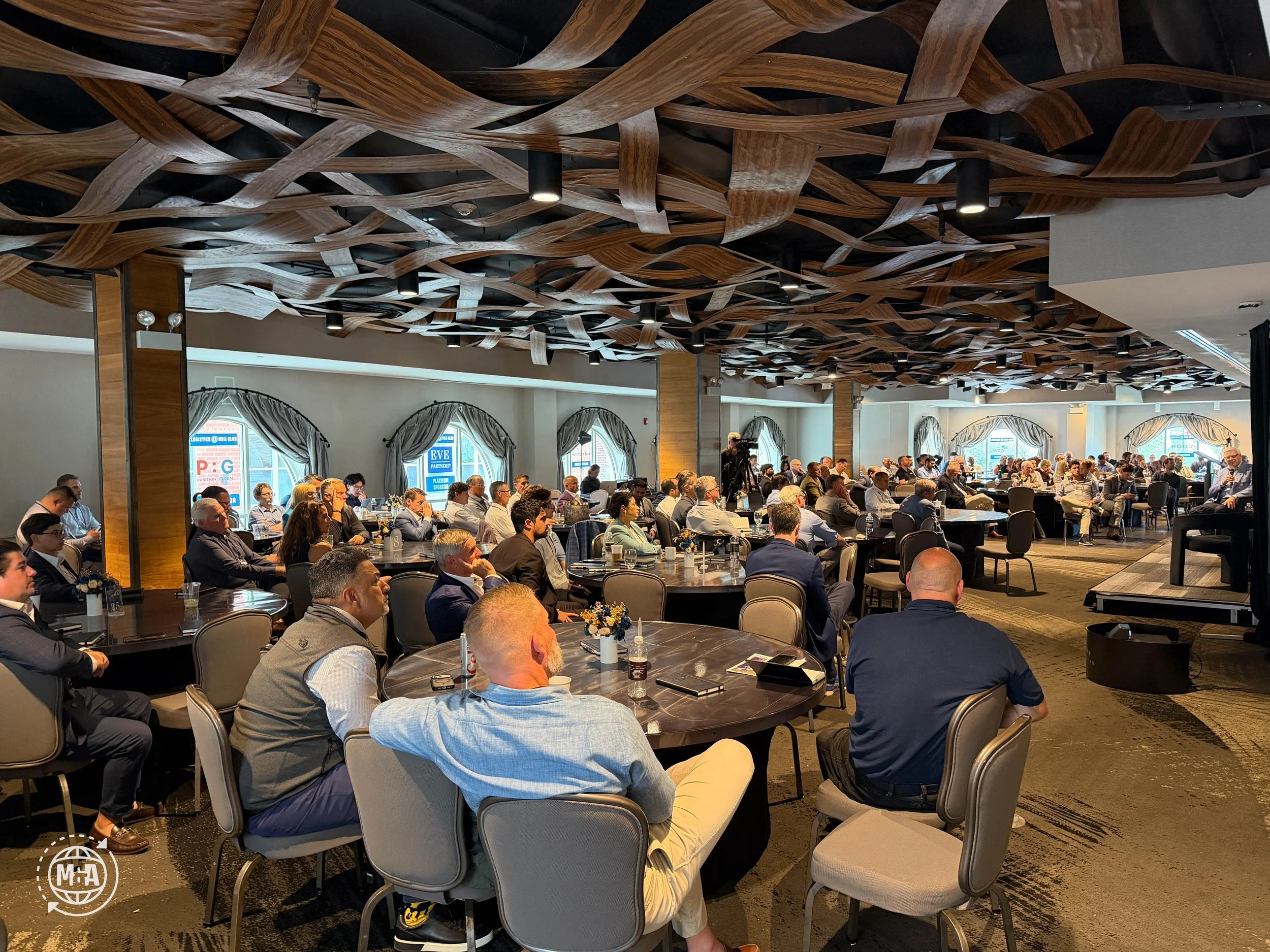
Another year of the Logistics M&A Club in the books! Transportation and logistics experts from across the industry, including owners, deal-makers, and investors, trading real perspectives on where trends are headed and how to stay at the forefront.
None of it comes together without our amazing sponsors, speakers, and attendees showing up ready to engage. Already looking forward to picking this back up next year!
Thank You to Our 2026 Sponsors!
-
![]()
Platinum Sponsor
-
![]()
Gold Sponsor
-
![]()
Gold Sponsor
-
![]()
Gold Sponsor
-
![]()
Media Sponsor
-
![]()
Silver Sponsor
-
![]()
Silver Sponsor
-
![]()
Silver Sponsor
-
![]()
Silver Sponsor
-
![]()
Silver Sponsor
-
![]()
Silver Sponsor
-
![]()
Silver Sponsor
-
![]()
Bronze Sponsor
-
![]()
Registration Sponsor













$123k For Misericordia!
Wow. Wow. WOW! The Logisyn team is stunned that we not only hit our original goal of $100k, but surpassed it by more than $20k. Thank you, everyone, for your generosity!
Misericordia is a vibrant community supporting over 600 children and adults with intellectual and developmental disabilities. As always, 100% of donations go straight to this important organization.
Our 2025 fundraiser funded a brand-new accessible van for residents. The 2026 funds will help develop a community center, breaking ground this fall, for residents and families to spend time in.
A Heartfelt Thank You To Our Incredible Sponsors And Donors Who Made This Possible!
The Para-Daly Foundation • Logisyn Advisors • OTR Transportation • EVE Partners, LLC • Direct Traffic Solutions • AHS Consulting • Allstates WorldCargo • GESG • Target Freight Management • Imperative Logistics • Alliance Drawback Services • NRS, Inc • Gene and Joey Gander Family Foundation • 28 Freight • Mint Global Logistics • Huntington Bank • Roberts + Kehagiaras LLP • GoFreight • Gebrüder Weiss • BTX Global Logistics • Kalgin Global • ConveyCo • More Than Miles Consulting • Compass + FRS Group • WCAworld • Ti Insight • AIT Worldwide • Carson CB USA • RWB Trucking • Block Logistics • Primary Freight • Comprehensive Logistics • TQL • Transformation Core • Gallagher Transport • Eranova AI • Krieger Worldwide • Cherry Bekaert • Marsh • Wove • MEA Solutions • Let's Talk Supply Chain • Revenue Vessel • Trade Force Multiplier • Position : Global • ShipTech • Adiona • BCS Placement • Innovia Wealth
Thank You to Our 2026 Speakers!
-
![]()
Cindy Allen
CEO/Founder
Tradeforce Multiplier -
![]()
Sarah Barnes-Humphrey
Owner/Founder
Let's Talk Supply Chain -
![]()
Beth Carroll
CEO
Prosperio Group -
![]()
Trenton Chen
CEO
GoFreight -
![]()
Martin Essenburg
Executive Director
DePaul University -
![]()
Eric Johnson
Senior Technology Editor
Journal of Commerce, Part of S&P Global -
![]()
Mike Knox
Sr. Managing Partner
GESG -
![]()
Richard Lamport
CEO
Kalgin Global Logistics -
![]()
Ron Lentz
CEO & Managing Partner
Logisyn Advisors -
![]()
Devrim Leonard
Head of Global Inventory and Order Management
Google -
![]()
Joe Lynch
Founder / Podcast Host
The Logistics of Logistics -
![]()
John Manners-Bell
Chief Executive
Ti Insight -
![]()
Erin O'Leary
Director of Information Technology
Shapiro -
![]()
Daniel Para
Chairman/Investor
OTR Transportation -
![]()
Cameron Roberts
Managing Partner
Roberts & Kehagiaras LLP -
![]()
Charlie Saffro
CEO
CS Recruiting -
![]()
JJ Schickel
Partner
EVE Partners -
![]()
Kendra Tanner
President & CEO
Allstates WorldCargo


















Key Panel Takeaways
-
The recurring message across all four panels is that businesses are operating in an environment of much faster change. Whether the issue is M&A, geopolitics, AI, or talent, the companies most likely to navigate change effectively are those that can adapt without sacrificing human judgment, accountability, culture, or communication.
Adaptability is becoming a core competitive advantage.
People and culture repeatedly determine whether a strategy succeeds in practice.
Technology should remove low-value work while strengthening, not replacing, judgment in high-impact decisions.
Organizations need clearer governance, communication, and accountability as change accelerates.
Leaders should prepare for change before it becomes an urgent problem, whether in integration planning, supply-chain design, AI adoption, compensation, or talent development.
-
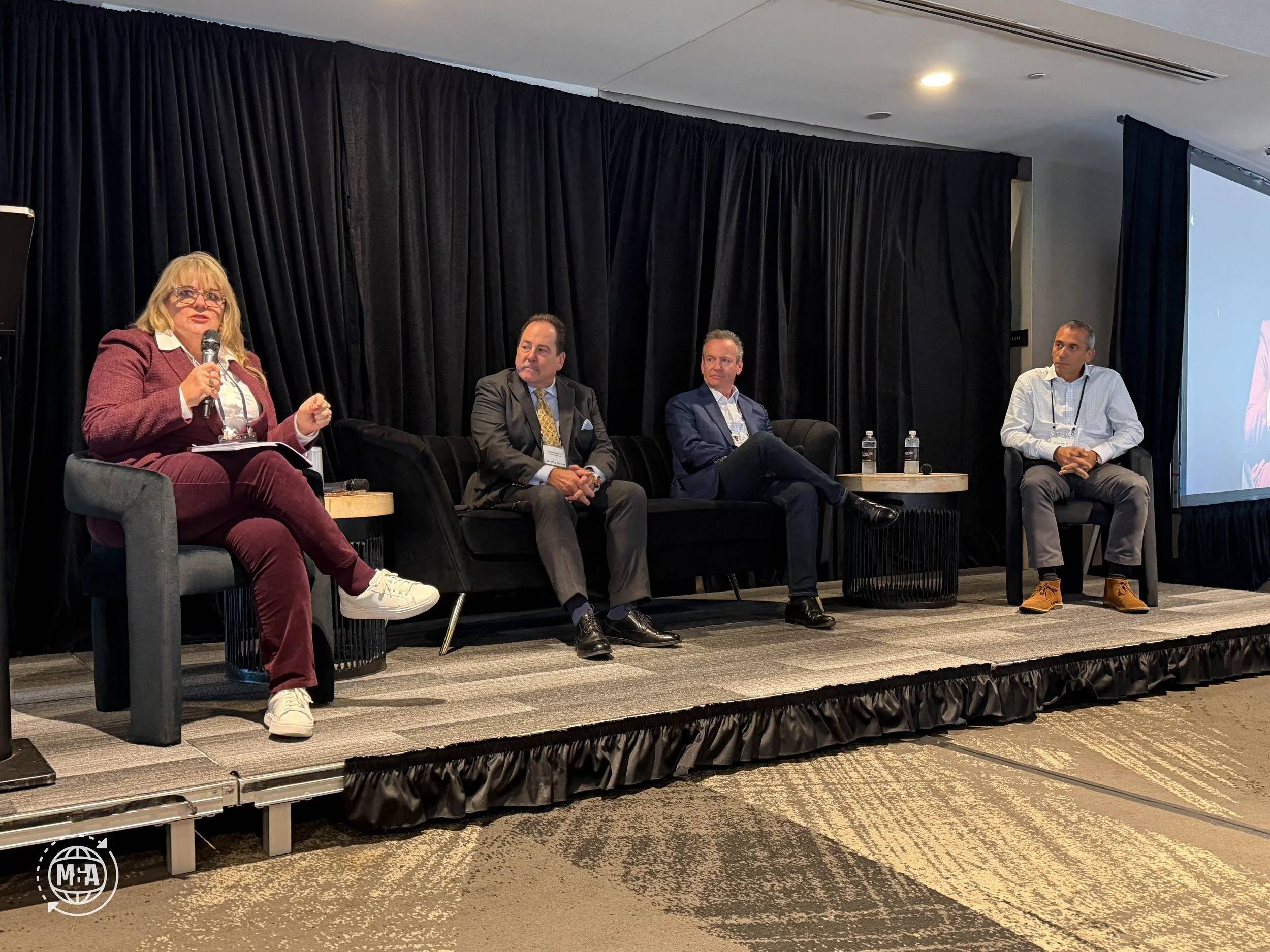
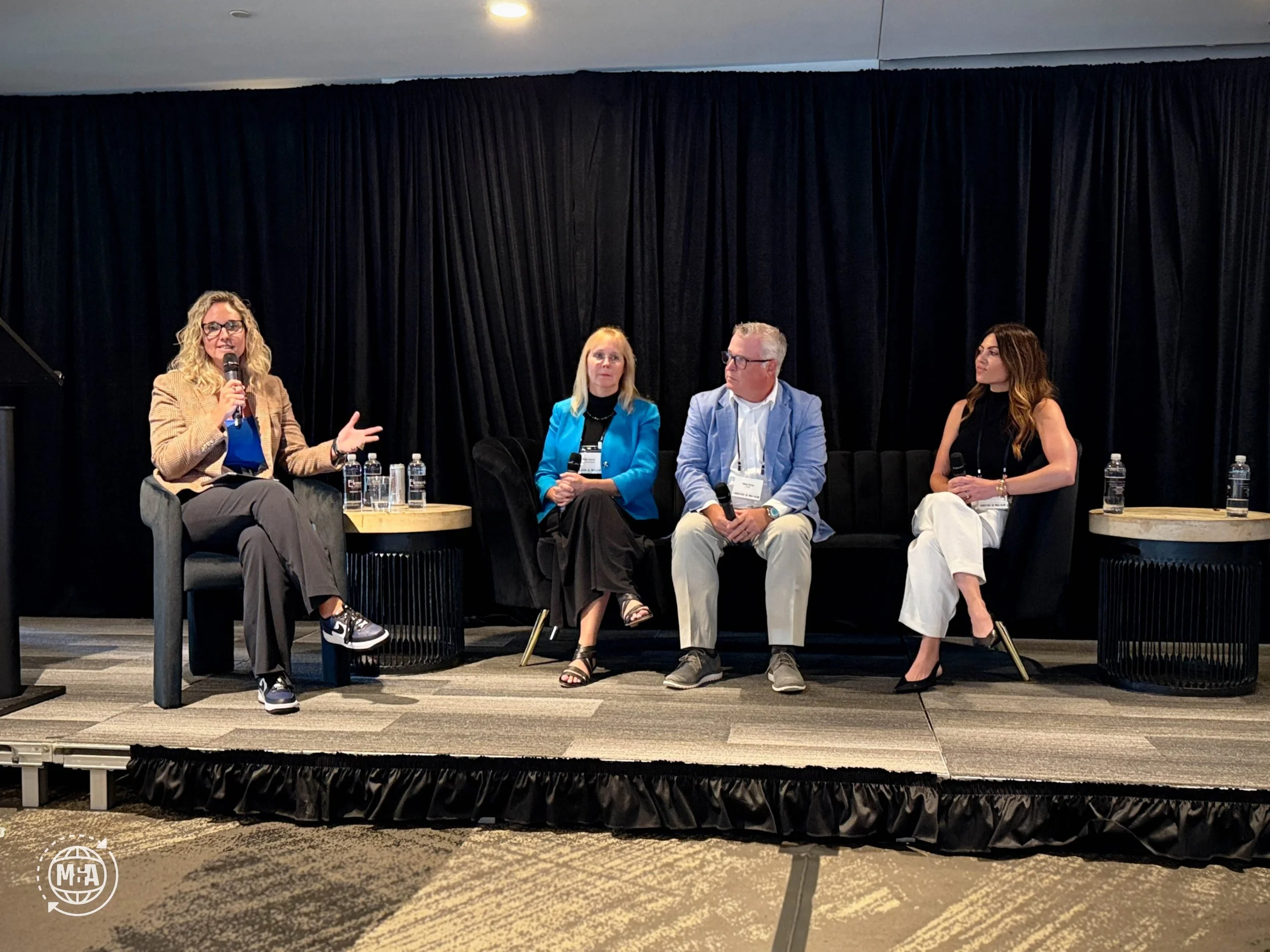
Moderator: Ron Lentz, CEO at Logisyn
Panelists: Daniel Para, Chairman/Investor at OTR Transportation; JJ Schickel, Partner at EVE Partners; Kendra Tanner, President & CEO at Allstates WorldCargoM&A success is about much more than valuation. A buyer needs a clear strategic thesis, such as new geography, capabilities, customers, or products, but culture fit and the people involved can determine whether the deal actually works.
Due diligence can be exhausting, so transparency, constant communication, clear timelines, dedicated deal leadership, and willingness to disclose problems early help maintain momentum.
Reputation matters enormously. Know who you are partnering with, get references, and be willing to walk away when diligence uncovers ethical or operational issues.
After closing, integration should be deliberate rather than blindly fast. Standardizing everything immediately can destroy what made the acquired business valuable.
A strong integration process protects employees, clearly communicates what will change, preserves useful parts of the acquired culture and technology, and earns trust through actions.
Best Takeaway: The deal does not become successful when it closes; integration, culture, and people determine whether value is actually created.
-
Moderator: Cindy Allen, CEO at Trade Force Multiplier, LLC
Panelists: Richard Lamport, CEO at Kalgin Global Logistics; Devrim Leonard, Head of Global Inventory and Order Management at Google; Cameron Roberts, Managing Partner at Roberts & Kehagiaras LLPCompanies should assume constant disruption is the new normal rather than build plans around stability.
Traditional single-source and just-in-time models can create too much concentration risk, so companies are diversifying suppliers, manufacturing locations, and logistics options.
Resilience does not mean carrying excess inventory everywhere. It means making calculated investments around components, suppliers, routes, and capacities where disruption could create the greatest downstream impact.
Technology and visibility are essential. If a logistics partner cannot integrate with core systems or provide usable information, management can be forced to make decisions while effectively “flying blind.”
Geopolitical disruptions can quickly ripple into rerouting, capacity shortages, higher freight costs, stranded cargo, and changes in sourcing decisions.
Customs and compliance can no longer operate separately from logistics. Compliance, contracting, and risk management are becoming core parts of supply-chain resilience, and customs brokers increasingly function as advisers rather than simply processing entries.
Best Takeaway: You cannot predict every disruption, so build a supply chain that can adapt when one happens.
-
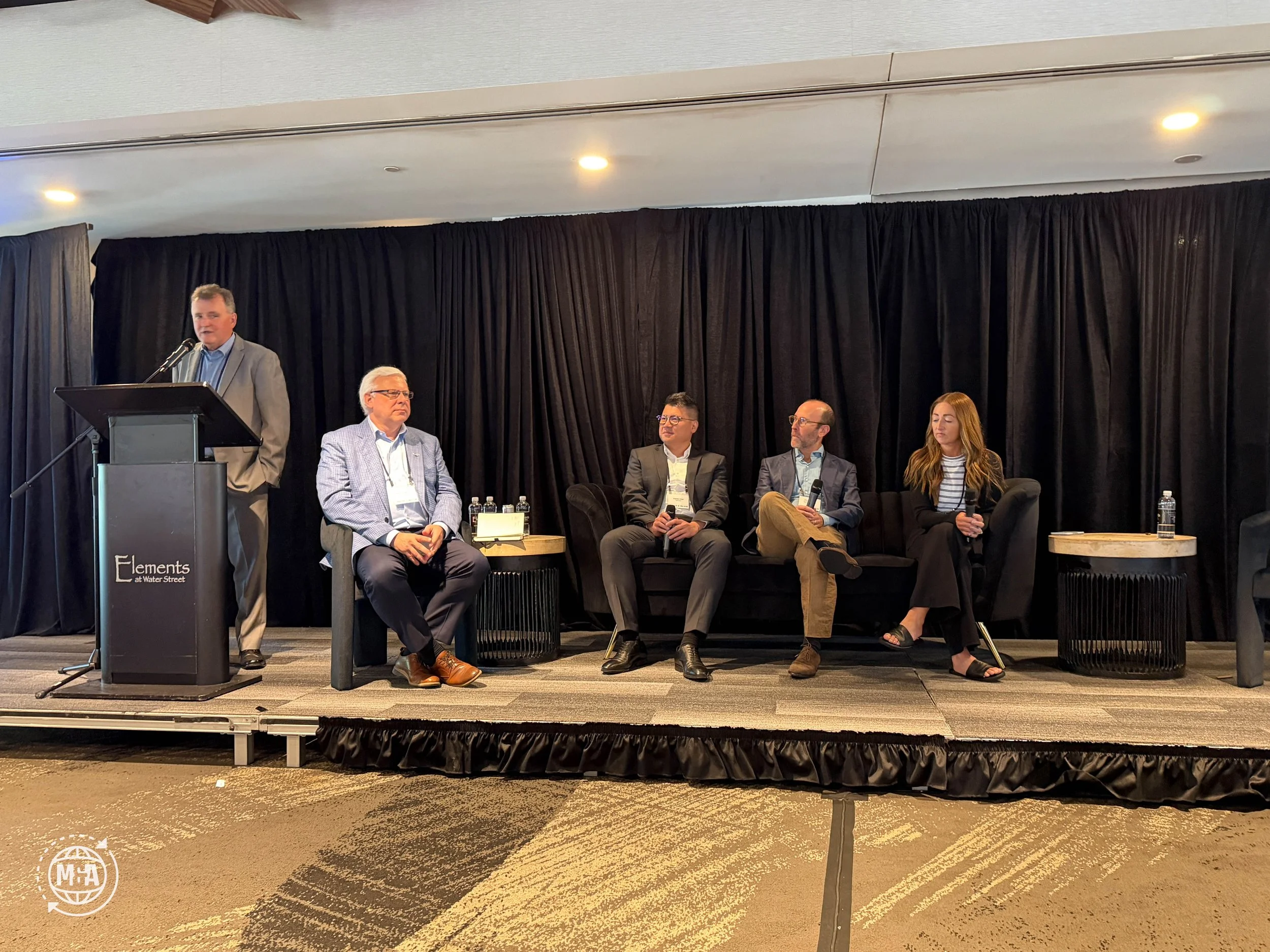
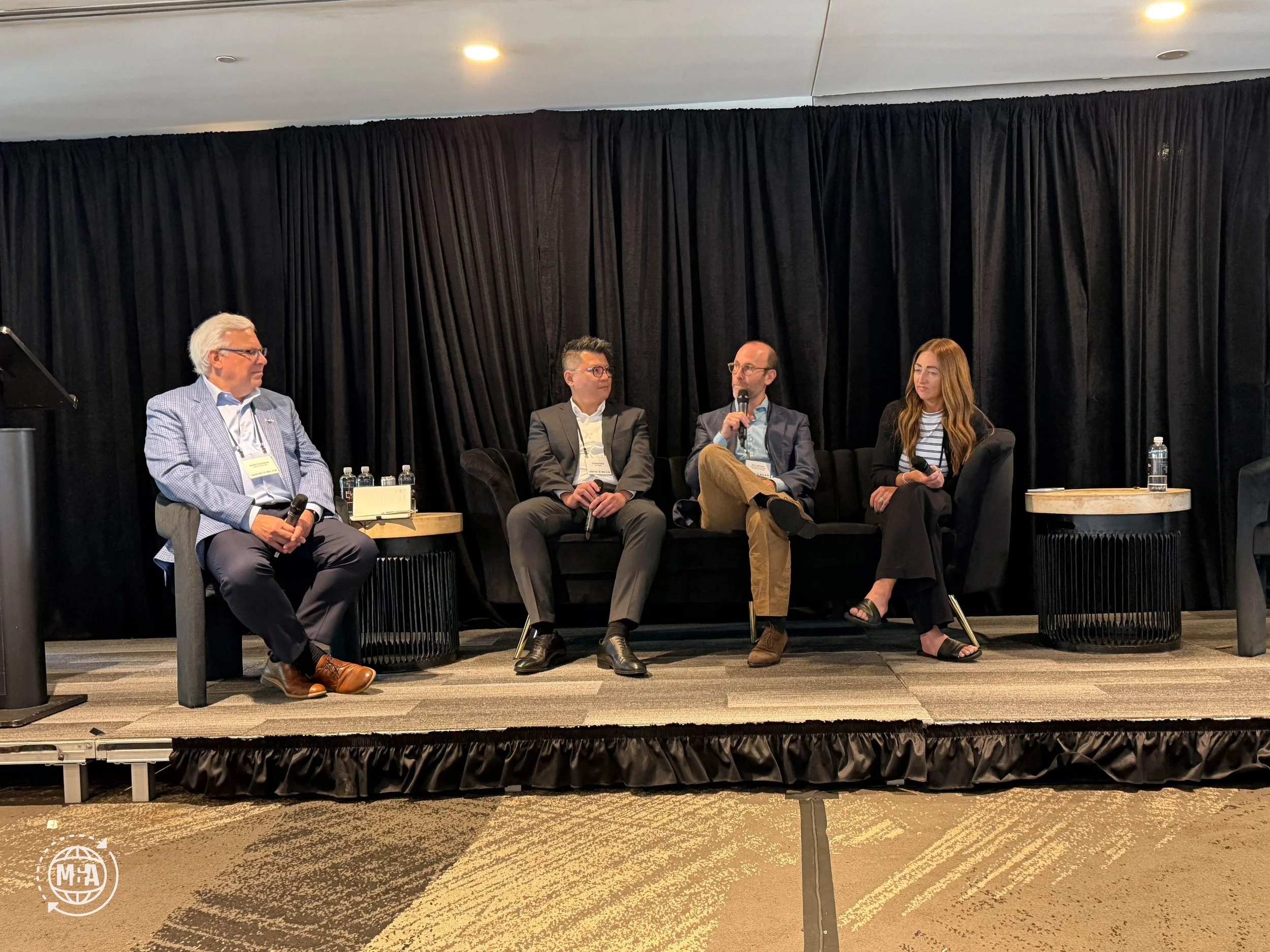
Moderator: Martin Essenburg, Executive Director at DePaul University
Panelists: Trenton Chen, CEO at GoFreight; Eric Johnson, Director at S&P Global; Erin O'Leary, Director of Information Technology at ShapiroThe panel emphasized practical AI implementation rather than AI hype. One of the biggest obstacles is employee adoption: technology may be ready before the workforce is.
Businesses need training, infrastructure, and change management. A useful tactic is to meet employees where they already work, for example, by embedding AI capabilities into email rather than forcing people to jump among several new platforms.
The strongest current use cases are narrow, repetitive processes: converting unstructured emails or documents into structured ERP data, creating shipment records, matching invoices, processing documents, expanding quote coverage, and identifying unusual shipments or exceptions.
AI is already replacing some work and may replace some positions, but much of the near-term effect is attritional: companies may choose not to replace employees who leave because automation absorbs their tasks.
Most measurable value today is coming from efficiency and capacity gains rather than major new revenue streams.
Human review remains critical, especially for customs, compliance, and customer-facing information, because models can hallucinate or make confident mistakes.
Companies also need formal rules around proprietary data, approved AI tools, security, and governance.
Best Takeaway: Do not start with “How can we use AI?” Start with “What repetitive process costs us time, and can AI reliably remove or reduce that work?”
-
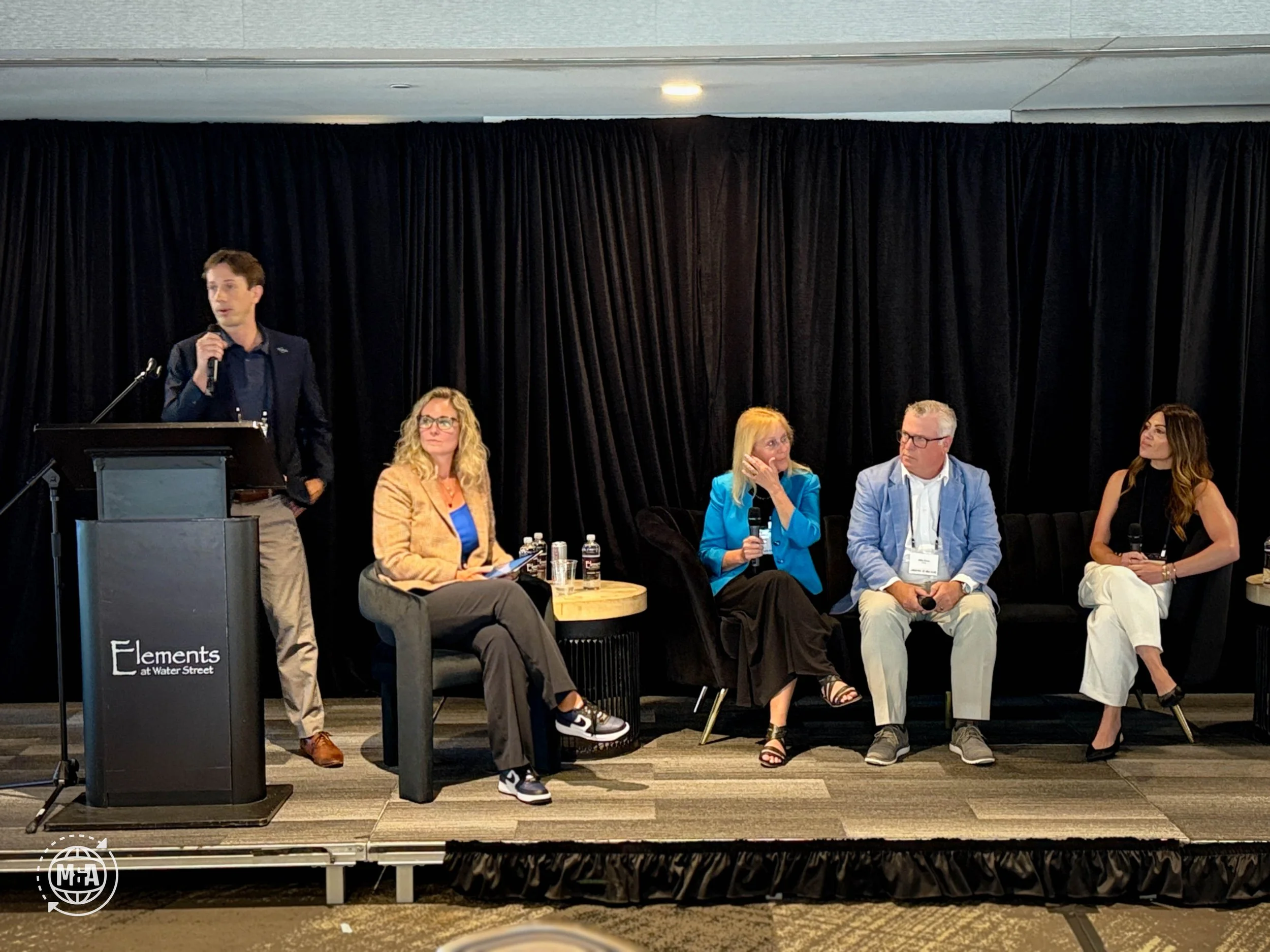
Moderator: Sarah Barnes-Humphrey, Founder & CEO at Let's Talk Supply Chain
Panelists: Beth Carroll, CEO at Prosperio Group; Mike Knox, Sr. Managing Partner at GESG; Charlie Saffro, CEO at CS RecruitingAI-driven productivity changes how companies should define performance. If employees can process significantly more work with the same effort, legacy commission and incentive structures may no longer produce the intended economics.
Leaders should rethink compensation before productivity gains force uncomfortable pay-plan changes. They also need to redefine what “good performance” looks like in an AI-enabled workplace.
AI does not eliminate accountability. In safety, compliance, carrier selection, and other consequential decisions, companies still need human ownership and controls around automated systems.
Recruiting is becoming harder in some ways because AI allows candidates or bots to submit large numbers of highly optimized, similar applications. That increases the importance of human judgment, relationships, and genuine assessment.
AI fluency is increasingly valuable, but it should complement foundational expertise rather than replace it. The panel’s logic was essentially: know the underlying skill first, then use AI to become better and faster at it.
For future leaders, the panel emphasized intellectual curiosity, adaptability, critical thinking, communication, and willingness to experiment with new tools.
A longer-term concern is the leadership pipeline: if AI removes too many entry-level tasks, companies still need ways to give younger employees the experiences that traditionally developed judgment and senior leadership capability.
Best Takeaway: The valuable employee will not simply be the person who uses AI; it will be the person who understands the underlying work and uses AI to think and perform at a higher level.
Photo Gallery

































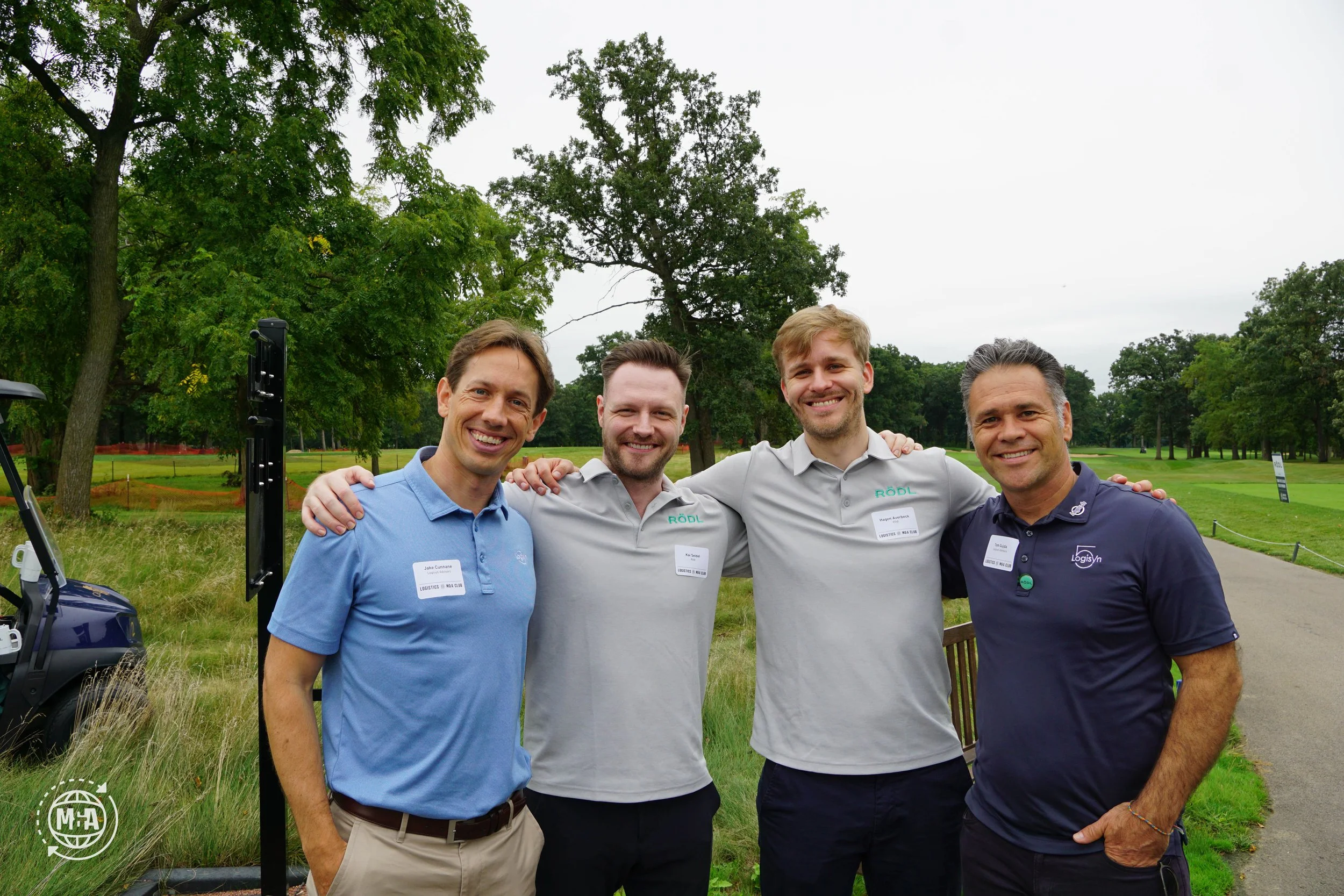
















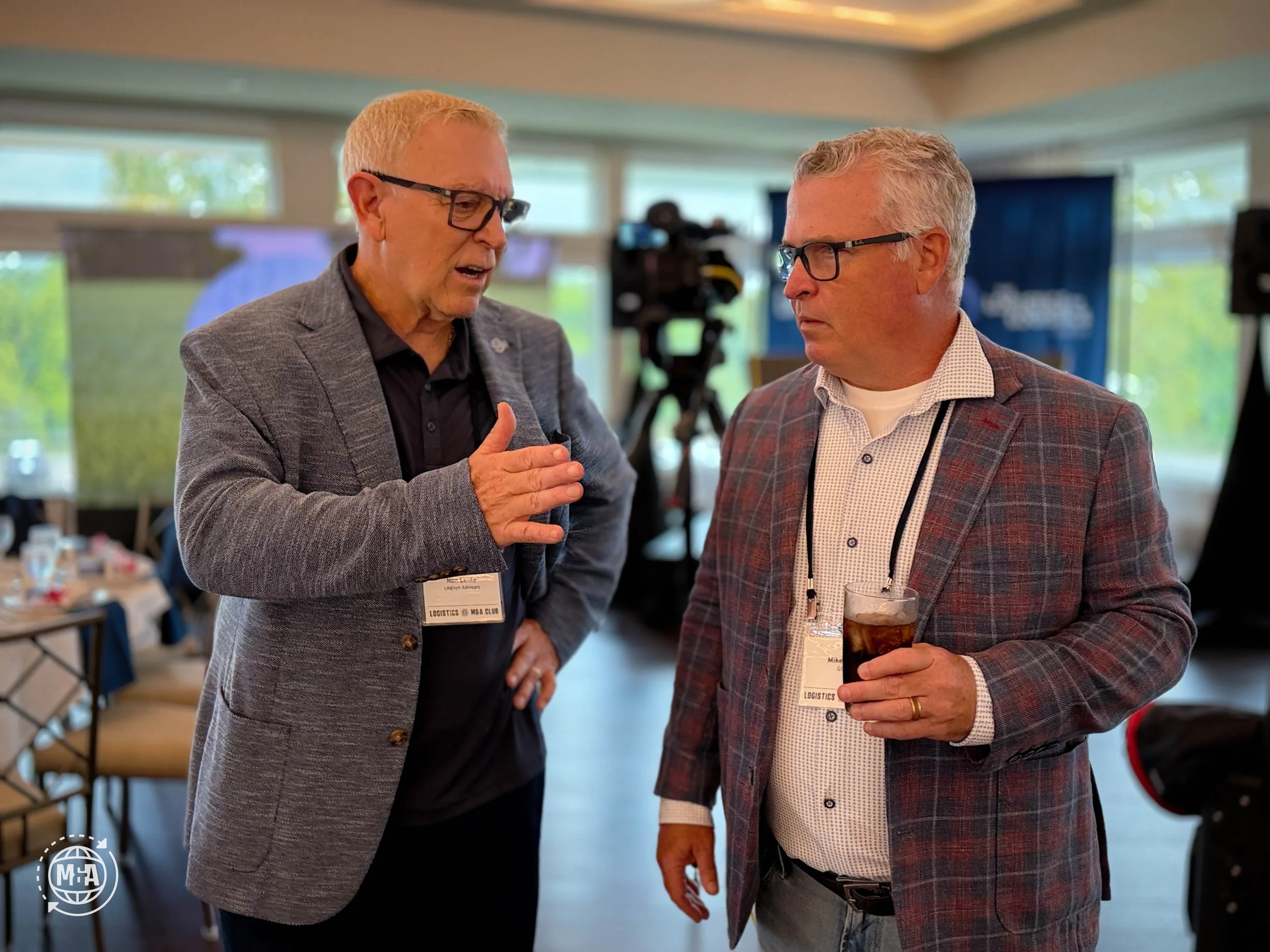

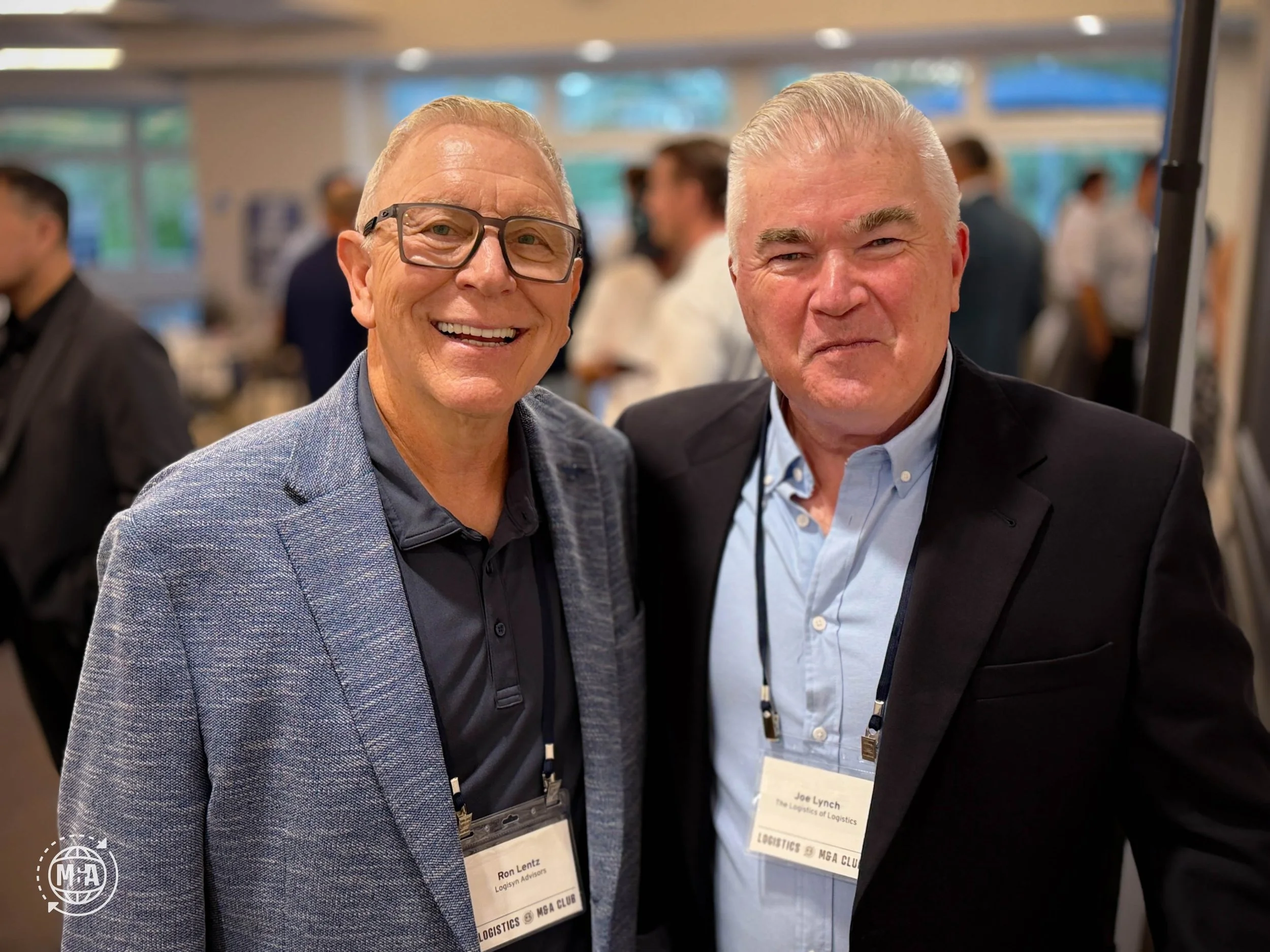



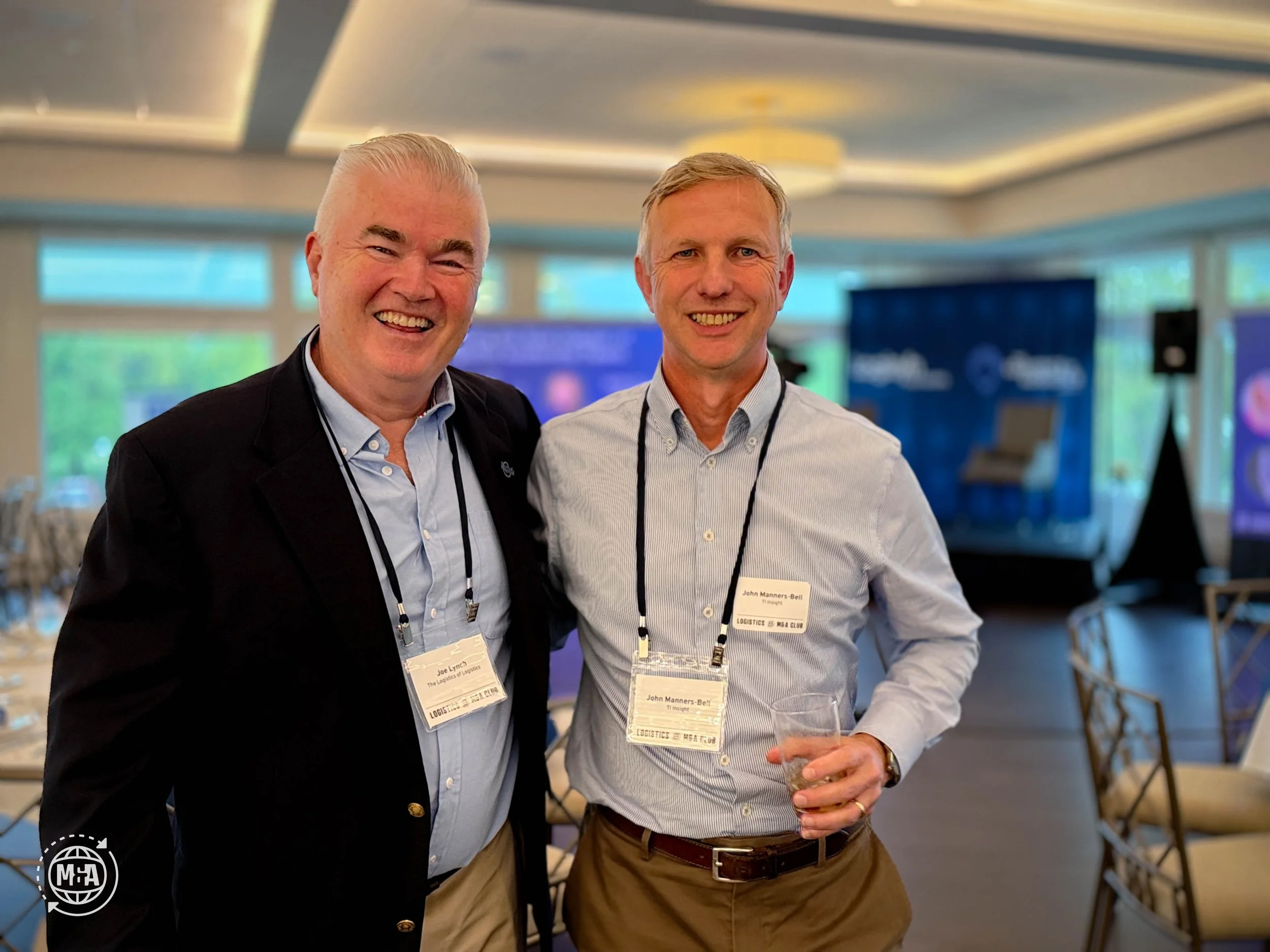












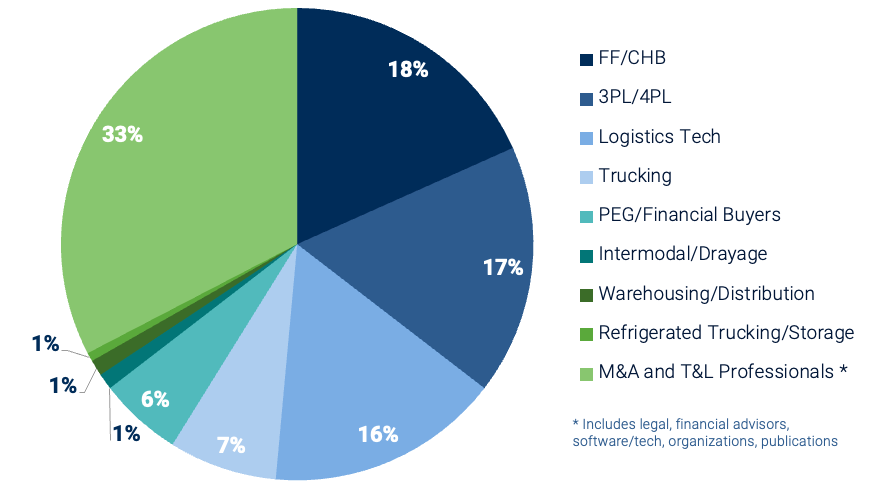
T&L Sector Demographics
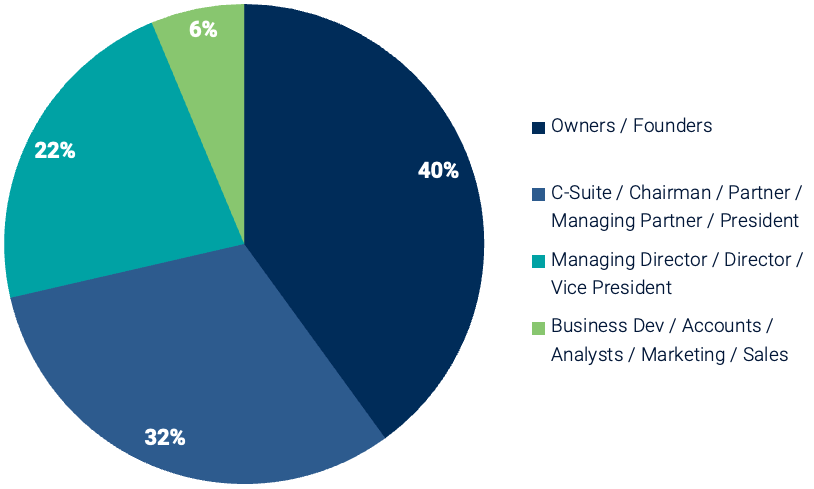
Job Seniority Demographics